
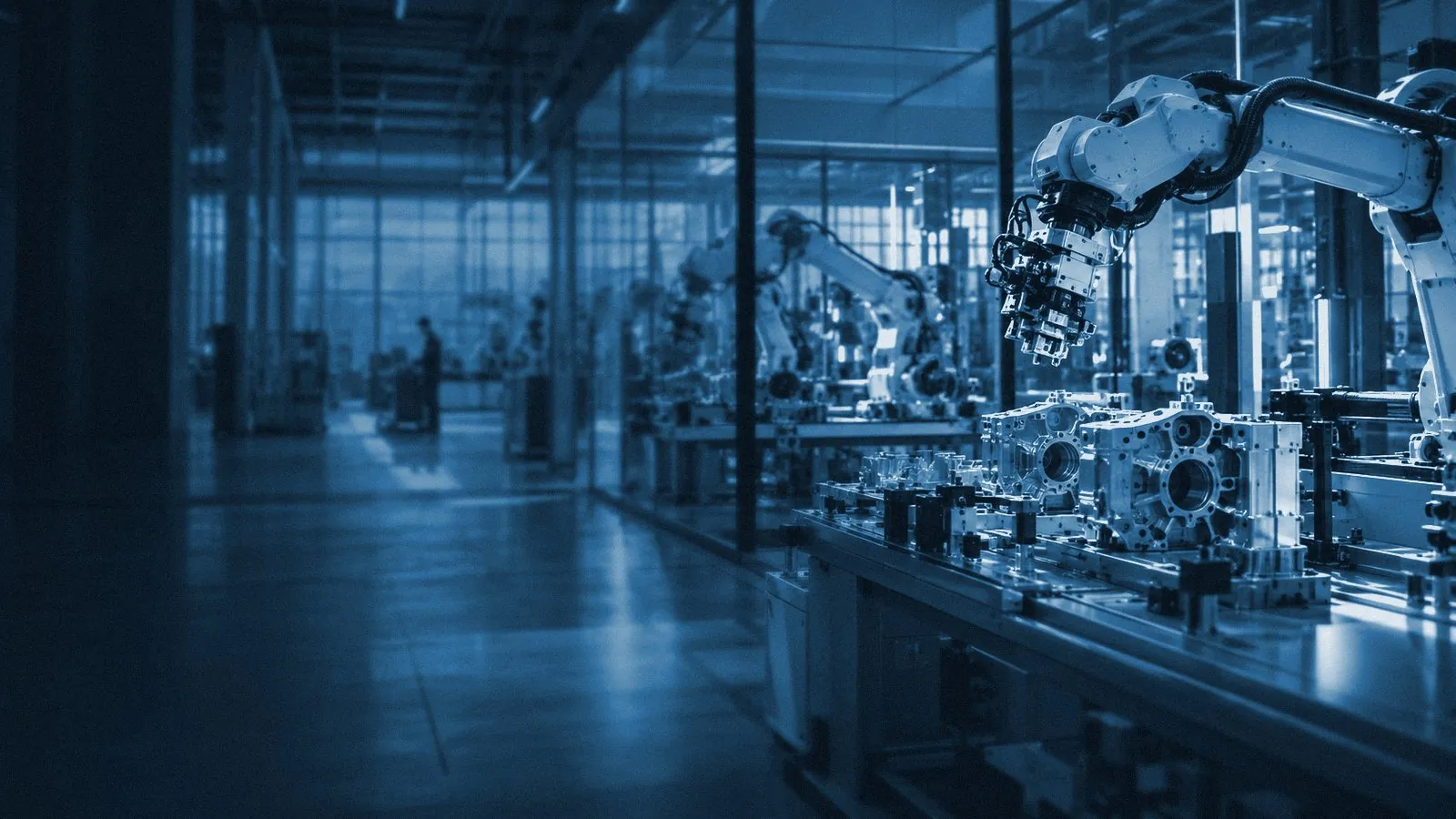
Test production decisions before you commit to them.
Physical AI models your machines, the people working with them, and the layout, so your team tests a production decision in simulation first: equipment, placement, safety procedures, and schedules. We help you choose the first project and train your team to deliver it.
Design the line for safety and throughput, before you build it.
An illustrative scenario. Physical AI models the line and the people who work it; NVIDIA cuOpt runs many optimization scenarios to balance the trade-offs before anything changes on the floor.
- Business problem
- A new or changed line has to hit its throughput target and keep people safe, before equipment is bought or moved.
- Physical AI application
- Simulation of the machines, the people working with them, and their placement, with vision checking standard operating procedures for safety.
- Decision improved
- Equipment, layout, and procedures, with NVIDIA cuOpt running many scenarios to balance safety against throughput.
- Business value
- A line designed for safety and throughput before money is spent on equipment or changes.
Solar panel line
From inspection to the layout of the floor.
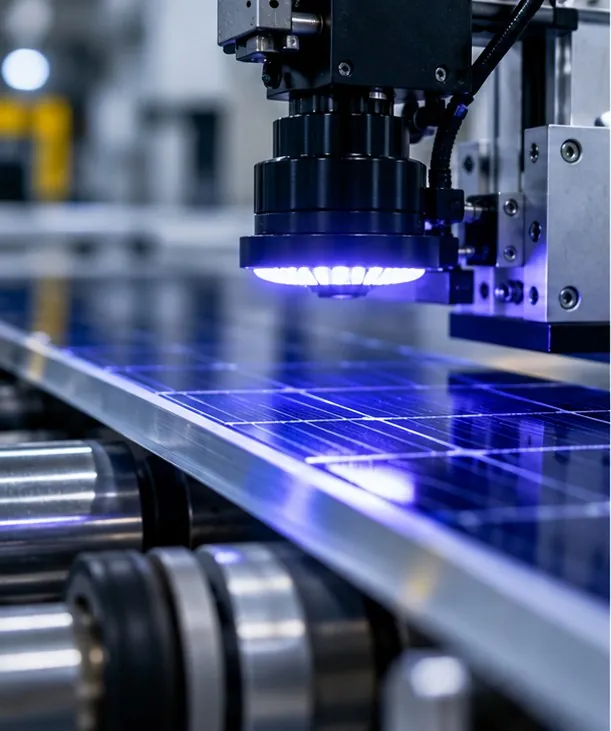
Inspection
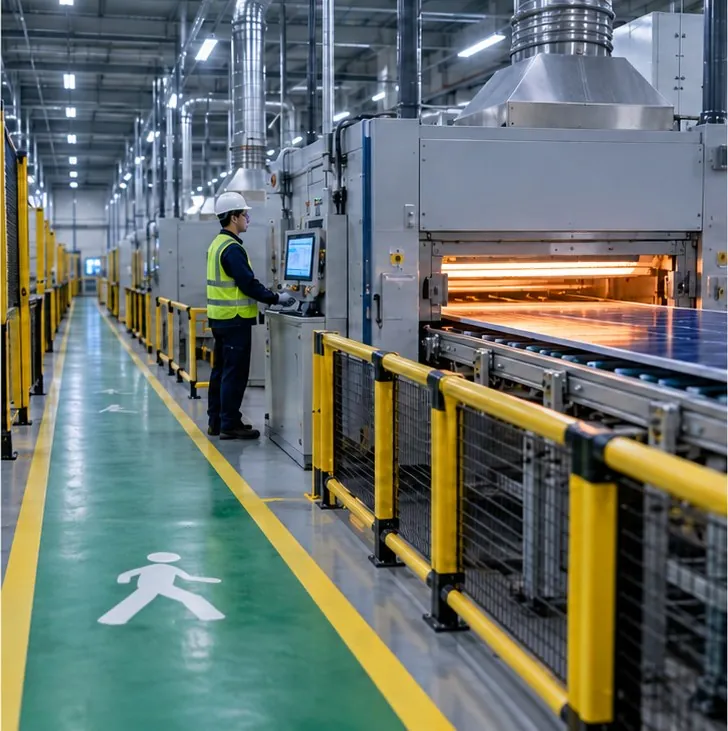
Oven line
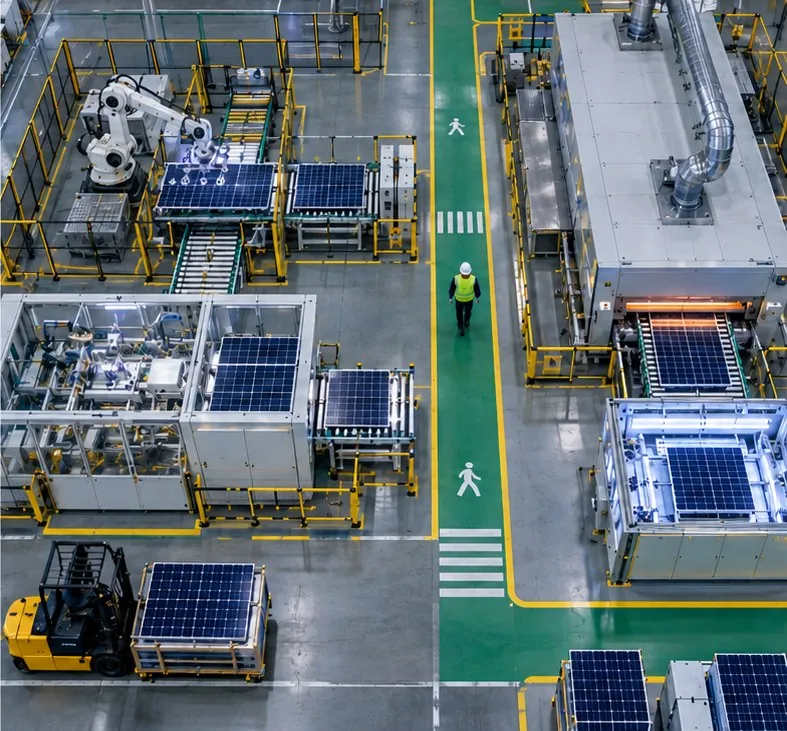
Layout
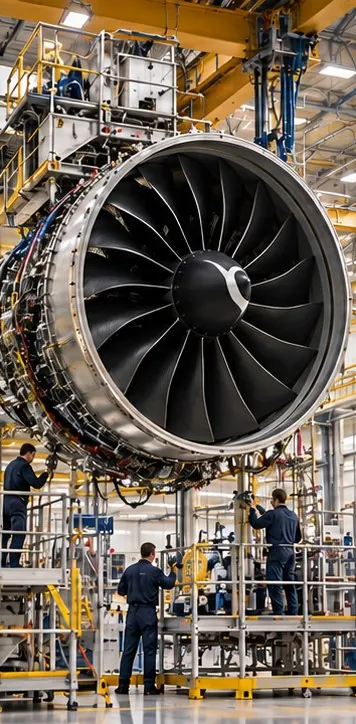
One turbine blade, planned for more output.
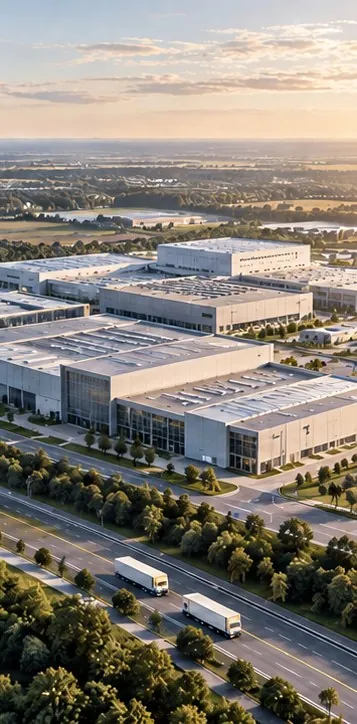
Planning and optimizing a factory to raise production output, from the design of the blade through curing and inspection to the factory layout and the global supply of parts. An illustration, not a UME.Studio customer.
- Business problem
- Output is limited by decisions at every stage: the blade's design, curing and inspection, the factory layout, and parts supply.
- Physical AI application
- Digital twins of the blade, its curing and inspection, the factory floor, and the supply chain, optimized together.
- Decision improved
- Where a change to the design, the process, the layout, or the supply network raises output most.
- Business value
- More output from the same factory and supply chain, planned before anything changes.
Jet turbine blade
From digital design to global propulsion.
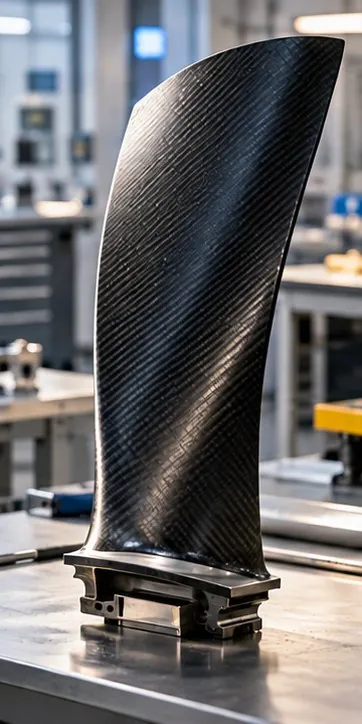
Digital twin
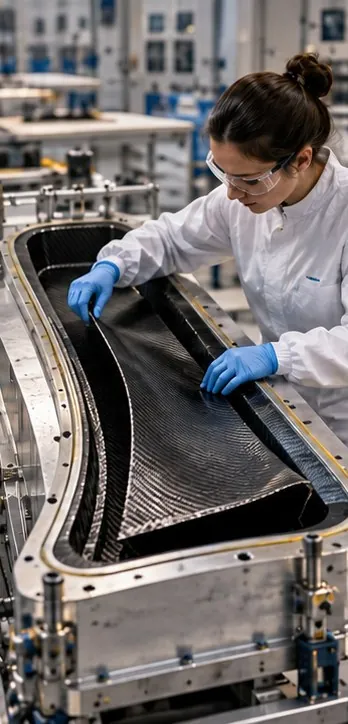
Layup
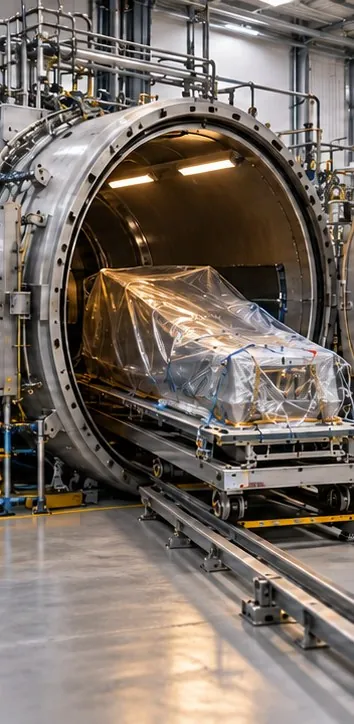
Curing
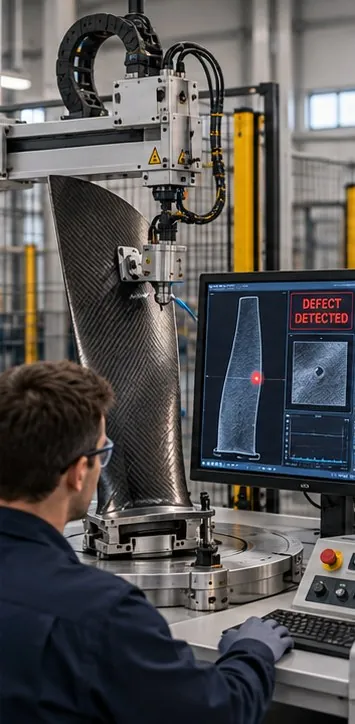
Inspection
Assembly
Global scale
Vial inspection, trained on synthetic data from your own line.
Based on work with a pharmaceutical customer. Synthetic data generated for the customer's own equipment trains and refines vision models, without disrupting production to collect real-world images.
- Business problem
- Vision inspection on a high-speed filling line has to be fast and accurate, and collecting real defect images disrupts production.
- Physical AI application
- Synthetic data generated to match the customer's own equipment, used to train and refine the inspection model.
- Decision improved
- When the inspection model is accurate enough, and fast enough, to run at line speed.
- Business value
- Fewer false positives, tighter quality control, and faster manufacturing.
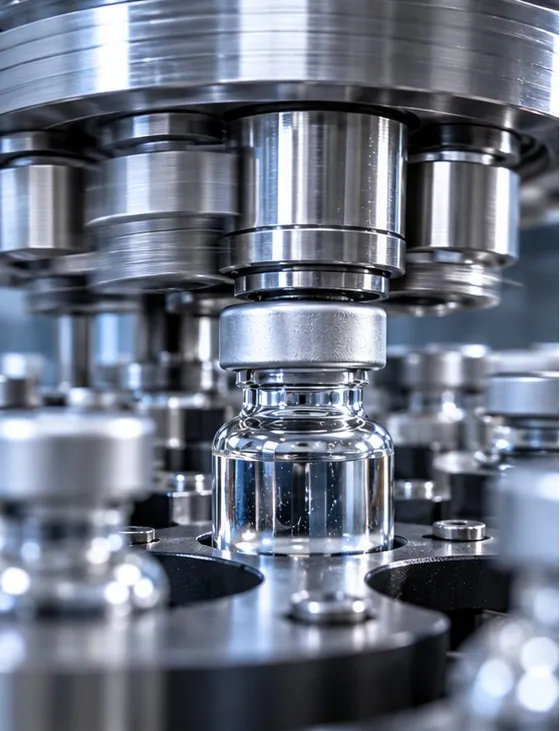
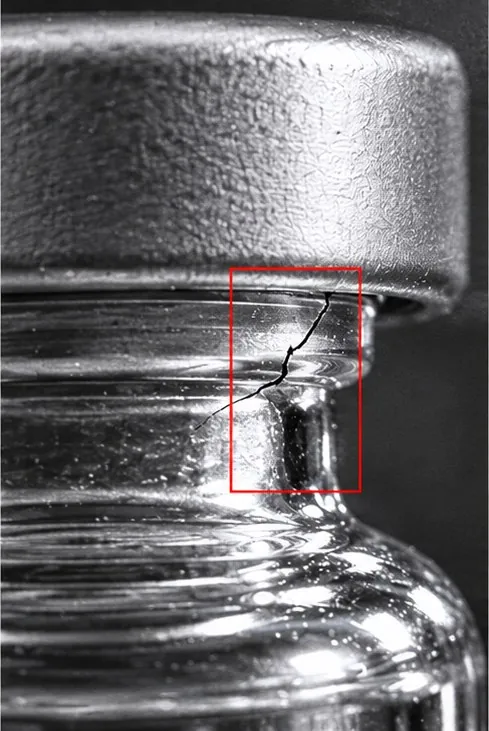
Vial filling and inspection
From filling to the vial the inspection rejects.
Filling
Defect
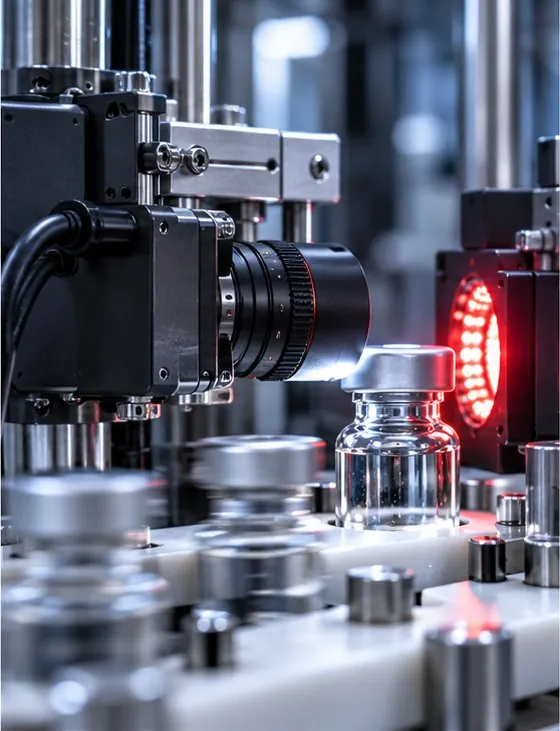
Vision inspection
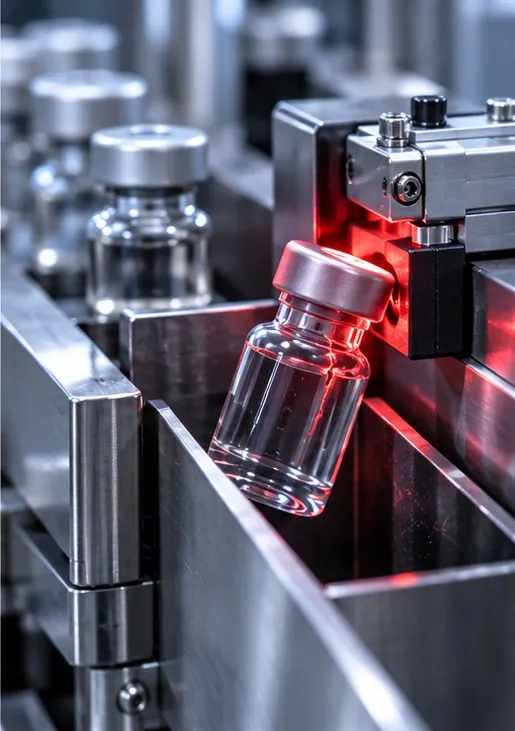
Sorting
From a list of ideas to evidence for a decision.
-
Choosing the project
Without UME.StudioA long list of ideas, and no agreement on which one to test first.
With UME.StudioA scoping consultation that settles on a project with real business value.
-
Getting to evidence
Without UME.StudioIdeas stay on slides while hardware, software, and skills are arranged.
With UME.StudioA team trained on the project builds a working proof-of-concept in 3–6 weeks.
Which decision would you test first?
Tell us about your operation and the decision in front of you. We will help you choose a first project and scope it.